Showing posts with label Shobnam Evaluation. Show all posts

Wednesday, March 27, 2013

1) In what ways does your media product use, develop or challenge forms and conventions of real media products?

From experience of watching films and our media lessons, it is very important for the opening sequence of a film to firstly, convey the genre and give insight into a film's narrative, secondly introduce engaging characters, and thirdly appeal to the audience it is intended for, be it a wide or niche one.

26 - Action/Adventure -> Sub-genre: Girls with Guns

Genre
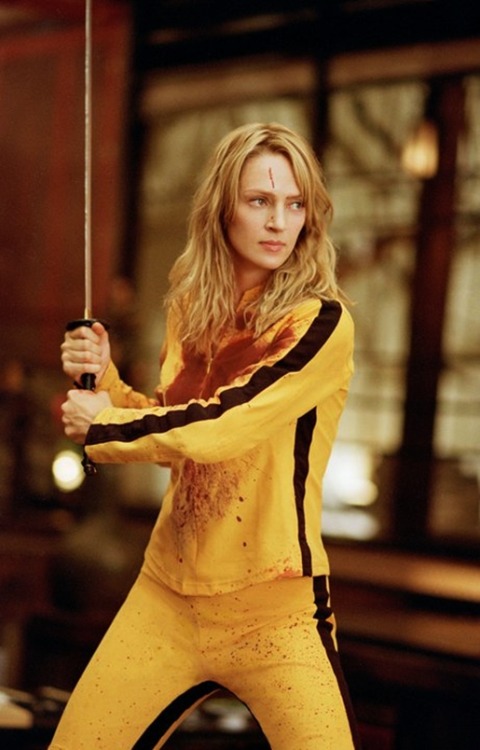
The Bride - Kill Bill

Conventions:

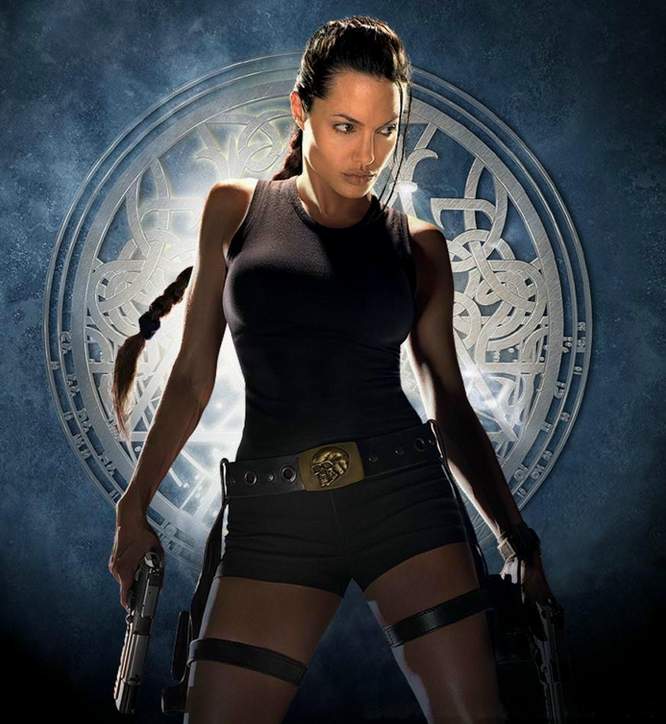
- Female action heroines e.g.


Charlie's Angels


- Gun- play/ fighting

The creation of the fight sequence was long and required choreographing multiple fight scenes between Delta and Guard, as well as Sierra and Guard until we finally decided on the simple choke hold by Sierra. This was to emphasise her character role as "The Muscle" but was not too gruesome or violent for those member  of audience who appreciated more implied violence than actual fights and blood.
"Incorporation of martial arts, gun play and stunts"
                                                 
Fight scene between Delta and Guard

Final fight sequence - Sierra choke hold
- Reform story - Trying to save people/ changing their ways.


Jason Bourne - The Bourne Franchise
Jason Bourne is a clear example of a character and a narrative about some changing themselves for the better, in other words a reform story. Jason puts his assassin past behind him to figure out a new life, uncovering the deeply buried secrets of the "evil" government along the way. Thus we can see that a previously "bad" character transforms for the better.

Breaking conventions

We also broke the convention of the action genre being heavy with special effects. "26" is a more dialogue-based and narrative film, intended to provoke thought in the audience rather than just be aesthetically pleasing. The storyline itself does not require CGI for example. This would also fit with the small budget as it is an independent British co-production, therefore has a smaller budget than a large scale Hollywood blockbuster, so the budget would not have to be spent on sfx.

The characters were also not typical of an action film, as explored further in Question 2.


Character inspirations:


As a group of 3 girls, our film genre was fairly obvious. We'd seen the likes to Charlie's Angels and all had obsessions for Charmed, so naturally we turned to Action/Adventure, more specifically Girls with Guns. 

Using our knowledge of female action heroines, we compiled a group of possible inspirations for Delta, Sierra and Echo. For their personality traits, we adapted ideas from other strong characters throughout film anf TV, not necessarily just in the action genre. This was to create characters that were not limited only to action, but also appealing for other aspects of their personalities.

Our character inspirations wear mainly practical clothing, easy to move around and fight in. Black and leather were popular with almost all the action heroines. We also noticed that each had a strong personality, with certain streaks or traits that stood out for example Hermione Granger's intellect, or Dylan Saunders' fighting skills.

Themes:

Once we had come up with characters we were happy with, the next important aspect was the theme or our sequence. 


-Friendship/loyalty (between the girls)
-Good vs. Evil - binary opposites
-Morality 


Music:

Usually with action films, there is a recognisable soundtrack, which immediately gives a sense into its genre and the pace of the movie. A good example is Mission Impossible:


- The music portrays the Spy genre, as well as creating a pacey feel.

For 26, Maneater was ideal as it started off slow, then picked up pace, with drumming for dramatic effect. This was what we needed to transition from the slow beginning to the fast choke scene, and interaction between the girls. Moreover the title was appropriate for the female empowerment element of 26.

Narrative

After coming up with characters and a basic plot to the movie, the opening sequebnce needed to give insight into the narrative of the rest of the movie. It was important to consider 2 main thing:

Todorov's Narrative Theory

Disruption in 26 - Beginning of disruption - Delta comes up the lift injured - different to the guard's usual routine, where nothing ever happen. End of disruption - Sierra taking down guard.
Equilibrium to Disruption


Barthe's Codes

Using the opening of Resident Evil: Afterlife, we can see examples of each code and how they work from the clip (Italics), then compare to our own use of them (Bold).


Enigma code:
- Why is everyone ignoring the girl?

- Slow drawn out shots of the guard, intersected with Delta up list

Action code:
- The 'pounce' - what will happen after she kills him?

- The tackle - Who is this new character? Are thy good or bad?

Semiotic code:
- Crowded area - we know it's a busy city setting.

- CCTV footage, guard looking at it - sense of high security area.


Cultural code:
-Recognise the urban surroundings.

- Instantly recognise a guard/ understand his role as a night guard. Everyone knows what CCTV looks like. 

Symbolic code:
- Rain seems ominous 

- Guard coming down stairs - confined spaces getting smaller and smaller - symbolic of his imminent demise.


Style

Having come up with a narrative, the look and feel of 26 still had to be decided. Addressing some serious themes, 26 had to have a rough, and action feel to it.

Look:

 - Dull colours, black and pale cream - to set a secretive, spy sort of mood, too many colours would look to happy.
- Harsh lighting, so strong shadows - gives a sense of unease.


Sound:

-Dialogue - story told through conversation between the girls, without giving too much away - we learn that they have to save "Victor" - Teases the audience.
- Soundtrack remains underneath all the action - gives motion and pace, as well as cohesion.

Titles:


Mission Impossible 2 opening sequence title
Skyfall opening sequence title
- A convention of film openings generally - During research we found that some titles recurred in every film opening we watched e.g. Director, Producer etc. Therefore, we would have to incorporate these into our own.

So considering all these factors, we finally came up with the opening for 26. We wanted to portray a serious film, but not without its comic moments, for example the girls joking with each other. The strong female characters adhere to the genre, as well as the fight scene, while also establishing them as the protagonists. 

2) How does your media product represent particular social groups?

During the research phase, we found that most of the female action heroines where Caucasian.There was a significant lack of Asian, particularly south Asian female actions heroines in Hollywood.

Action Heroines

We also noticed that they tend to be sexualised. Tight fitting jackets,low cut skintight vests, and shorts that are more like underwear are popular within the Girls with Guns genre.


British Films

On the other hand, the British film market is known for some realistic representation of Asian females heroines, though not necessarily in the GwG genre. In the last decade or two, it is notable that attitudes in Britain towards Asian culture have shifted, as have the taste of mainstream audiences for Asian-themed films. 

"Bend It Like Beckham" became one of the most popular British films ever and has an Asian female protagonist. It challenge the colonially-obsessed images of Asians depicted in mainstream British cinema and televisions in the 1980s and earlier. Moreover, Asian women as especially depicted in stereotypical "housewife" roles, and this movie defied this as well.

The BFI says: 

"Today, 'Asian;, once unfashionable, has become fashionable and almost ;sexy' in the Western media culture. The British film industry has gradually begun to wake up to the 'brown pound'. Director Gurinder Chada has noted the change in attitudes between the release of her first film, Bhaji on the Beach (1994), and her third, Bend It Like Beckham (2002): "People are much more aware of difference, what was once foreign is now familiar""


How we broke/challenged stereotypes

Anjana (Sierra)
Shobnam (Echo)
2 of our characters are from south Asian backgrounds. We decided to cast ourselves as breakage of the stereotype, while also keeping Mila, a white female to keep within the genre conventions slightly. This was to ensure the audience were not overwhelmed by the breaking of stereotypes.

Why?

With the Cultural diversity of British society, it is important for us to consider the ways in which we represent our 2 Asian female protagonists. Not only do they defy the stereotype that was ingrained for so long in modern day Britain, they also adhere to the progress and acceptance of the Asian culture. Additionally, these films are known to engage and appeal to British-Asians, such as myself (I so enjoy watching my fellow Asians living their lives in films and have often experiences British-Asian cinema with the family as well; as well as the British audience.
The "look"

Costume:

Sierra: Black leather jacket - Practical, conventional but not revealing - avoided sexualisation.

Traits: Violent, likes weapons and fighting.

Echo: Black trench coat + gloves - similar - portrays a sense of secrecy - mysterious character - Echo is the one the audience aren't certain about.

Traits: Contrast to Sierra, who fights for pleasure - wants to stick to task, determined to get things done.

Delta: Black body suit + leggings - fully covered but keeping some sort of femininity to the character - suits her personality as "the decoy" - her enjoyment of dressing up.

Traits: Enjoys acting, scheming.


Character relationships:

-Delta, Sierra and Echo are working together by choice -out of loyalty and friendship. 
-Acknowledge and understand each other's strengths.

The main difficulties: portraying the friendship in the script without losing any storytelling/ narrative.
Supporting male role:

The empowering female role over the male victim character of the guard sets the tone for the rest of the movie i.e Girl power. The audience is taken into their stories and lives to see the film from their perspective, therefore to "like" or "take sides" with Delta, Sierra and Echo.

However, the film is not about female supremacy, thus we had plan for a strong male character, who was sympathetic to the 3 Agents' aims, but was also a powerful male in his own right.


In summary, not only did we want to portray powerful Asian female action heroines, but also to display the loyalty the girls have for each other, as well as the collaboration with a strong male character (but less powerful than the girls) thus breaking any barriers that might otherwise arise from diverse ethnic backgrounds, and/or genders.

3) What kind of media institution might distribute your media product and why?

The 2 major companies are the production company and the distributor. These are mainly chosen based on a film's genre and likely success.

Production company


Cornucopia Films is a London based production company producing mostly action/adventure films for a broad and mainstream audience, e.g 16-24 year olds. It would be known for Blockbuster British films.


A summary mind map of our production company: Cornucopia Films
Distributor:

The distributor had to be appropriate for the films genre, and be a well -known one in order to reach the maximum audience. Screen Gems is is known for distributing action and thriller films. (A few examples below)
Bearing this in mind, 26 fits in with these types of genres and would be distributed most likely to a broad audience, therefore Screen Gems is ideal.

Independent production companies and distributors are the norm for independent British films, which 26 is. Working with smaller budgets, and not being horizontally and vertically integrated (as Hollywood is) Cornucopia Films would not be its own distributor, and instead work with Screen Gems for the distribution and marketing. As mentioned already, Screen Gems is known for this genre of movies and is well- known and trusted by modern audiences.

Release plan:

A staggered release would allow 26 to build momentum via word of mouth as well as perhaps an ongoing viral campaign.
Release platforms
Release strategy for 26
For example The 51st State had its world premiere in London's West End Curzon Cinema, taking in £913, 239 on its opening weekend. Seeing its success here, the film was screened across the US, then shortly elsewhere in the world.

The 51st State
Marketing:

The usual posters and trailers would be put across TV and the internet to reach the maximum audience possible. But as well as this, it would be important to use social networks i.e. Facebook and Twitter to create and internet hub for the film. This woul be useful as most of the target audience are big internet users, therefore it would be suited to their needs, while still reaching as many people as possible.

Viral Campaign:


Audience could perhaps choose a character to follow over an online version of the film, playing as the character, or even create their own character profile - Maximising audience interaction before and during the film's release would create a "buzz" and so increase the audience who actually watched the film at the cinema. This would mean increased revenue as a result.


DVD release:

There could be special/ collector's Editions, where the film had different possible ending, so the audience could tailor it to their desires in the comfort of their own homes - This would encourage audience interaction.

In short, a staggered local release from a well known action genre distributor would be the best approach. This way, the film's success could be tracked and then the decision made to expand or not to wider audiences and more cinemas.On top of this, ongoing marketing via the internet, social networks, and/or games would add the the "buzz" so attracting more audiences as the film was released in more cinemas.

4) Who would be the audience for your media product?

Action movies are most popular with under 18s of both genders, as well as 18-29 years olds, therefore the largest cinema- going group,16-24 which falls within these, was ideal.


Thus, we have our core audience (specific to the female-orientated 26): 16-24 year old females. This is not to discount males however, as we can see from the graph that both genders equally enjoy actions movies, not to mention the "good looking" *ahem* cast of 26 might appeal to them.

The core audience is:

+


Teenage girls seemed the best option as the genre had success among them:


A table to summarise the audience groups
Other audiences:

A tertiary or more niche audience would perhaps be the Asian community, who as mentioned in Question 2, very much enjoy watching portrayals of their culture. (further addressed in Question 5) 

As an action film, especially in the GwG sub-genre, 26 would appeal to teenage girls and perhaps boys, as well as the Asian community, with its ground-breaking Asian female action heroines. This audience was ideal according to our audience feedback in questions 5.

5) How did you attract/address your audience?

The mainstream audience:

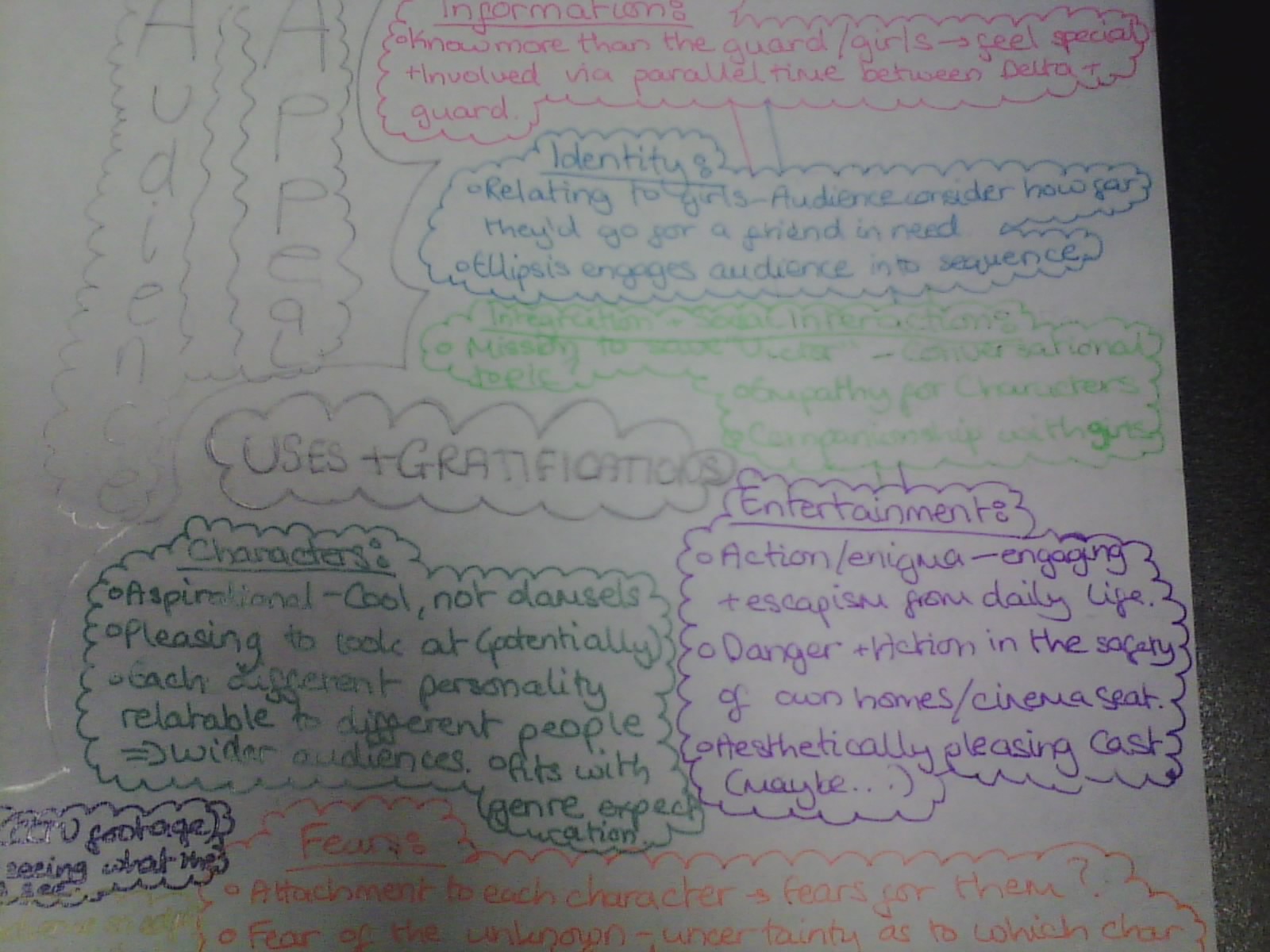
I have always found it easier to work by hand, therefore getting my thoughts onto paper for Audience appeal allowed me to fully document them. Using some of my audience feedback, I drew up the following. These consider the appeal to the core and secondary audiences and the "uses and gratifications of the social or psychological needs of the individual" (Blumler & Katz 1974)

Audience Appeal mind map
Uses and gratifications 1: Information, Identity, Integration + social interaction
- Audience feel "special" as they know more than any of the characters - e.g. more than Guard.
- Audience can relate to the characters - different personalities so appeals to a range of audience personalities.

Uses and gratifications 2: Entertainment
- Action/ Enigma  appeals to audience - keeps them engaged and on the edge of their seats.
- Good looking cast.
-Characters have likeable and very diverse personalities.
-Ethnic differences may appeal to wider audiences.

Significance of characters
- Audience feel they are in on a secret mission in this "high security" building.
- Involved in the action right from the start.

Significance of setting and plot
So we can see from the feedback that the cliffhanger ending was very successful as a ploy to engage the audience, however the fight sequence could have been longer to be more engaging to the audience members who like action. Also, the title was not clear to some, so perhaps could be made more obvious. Many people said they would watch the film, so as said before, the release would wait to build momentum before being massively released across all cinemas to check for success.

The Asian community

Our piece does not depict the Asian culture, however integrates Asian females in a  way that does not draw a lot of attention to their ethnicity. Our intention was to underline the acceptance of today's society towards the culture. As a British Asian myself, I understand how society today is multicultural, therefore 26 illustrates this without explicitly pointing out the fact that Sierra and Echo are ethnically different to Delta.


The Asian community, women in particular may relate to the progression of the stereotype from "housewife" or "perfect daughter" to the new woman - a strong and independent female (now very much like their Caucasian counterparts)

Audience feedback

Core audience feedback - 3 members of the core audience talk about the title, genre, characters, and their thoughts.


Secondary audience feedback - 2 members of the secondary audience talk about the title, genre, characters, and their thoughts.


So we can see from the feedback that the cliffhanger ending was very successful as a ploy to engage the audience, however the fight sequence could have been longer to be more engaging to the audience members who like action. Also, the title was not clear to some, so perhaps could be made more obvious. Many people said they would watch the film, so as said before, the release would wait to build momentum before being massively released across all cinemas to check for success. The core audience we outlined was indeed ideal, and the secondary audience appeared to enjoy the opening sequence as much as the core, therefore we could perhaps expand our core to just teenagers in general, so maximising our reach and potential revenue.

6) What have you learnt about technologies from the process of constructing this product?

Technology will always be required when creating modern films, in terms of production, post-production, and marketing, and exhibition of films. Of course for 26, we did not market or exhibit, therefore the technologies we needed were used for production and post-production and was crucial not only for the filming and editing of our piece, but also for the special effects that we needed to create 26. For example:

Behind the scenes - Security Footage


The effect was created using a Youtube tutorial:


A lot of the technology we had already used for example with our Preliminary Task, and generally. Each of us had our own responsibilities using each of the programs, so we delegated tasks accordingly, however we did all get to use them at some point.


The above summarises how important technology was to our opening sequence as well as addressing its significance in modern film-making.

7) Looking back at your preliminary task, what do you feel you have learnt in the progression from it to the full product?

Preliminary task


26

The main areas which we recalled our experiences from the preliminary task were:


Social Media:

A big improvement we made since our prelim was the Facebook group, exclusively for our media project.


It came in very handy when we couldn't all meet in person or we needed to go over something quickly. We would upload work so that all group members could have a look and be up to date on what had been done. We could also allocate tasks accordingly this way.


From our experience in the prelim, I think our time keeping was more efficient, but we still had to re-shoot multiple times. Even though we had re-shoot lists and schedules, on the actual shoots , we remembered other shots we might need, so the schedules didn't really work so well. With our shoots better organised, we would've had more time to edit and perhaps the lighting would not have been such a big issue with our sequence.

As for editing, we all worked on the sequence during our free time, when the others weren't available and reviewed any changes made with the others, to make decisions together. We were successful in the prelim, so we kept a similar style of splitting it into 20 minute slots.

The evaluations, though individual, did require some group decisions to be made, such as a final storyline and the supporting male character. We has group meeting to finalise everything before we worked on our evaluations, which I think worked well as we could plan and help each other before beginning work. Looking back though, I would probably ask their feedback more as well as other non- media friends and family to get their opinions on certain aspects. As well as this, I would allow myself  more time to portfolio and evaluation, to avoid stress!